Notes
Impulse T1 2026: AI in software development and infrastructure security
Exploring AI-assisted development, corporate AI adoption, and infrastructure resilience through technical talks and an architecture roundtable.
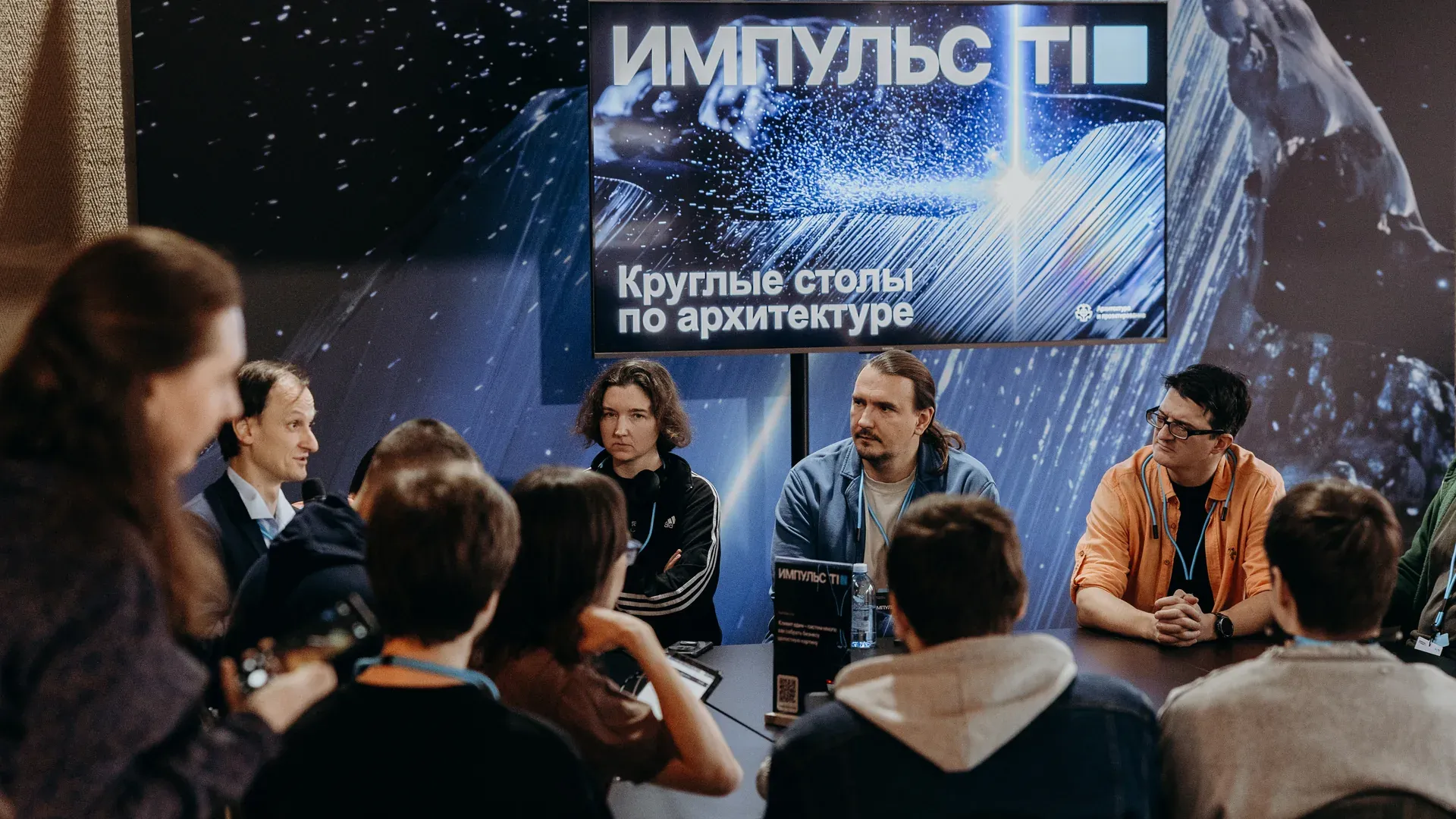
I attended the Impulse T1 conference, focusing on AI adoption in engineering workflows and infrastructure security.
The talks by Fyodor Sazonov (OpenIDE), Alexander Starodubtsev (Cloud.ru), and Alexey Titov (FSK) covered AI adoption at different levels, from individual developers to entire organisations. I was particularly interested in the L0–L5 model of development autonomy, ranging from programming without AI to approaches where engineers neither write code nor review code changes. As autonomy increases, specifications, architectural constraints, and mechanisms for verifying system behaviour become increasingly important.
Another topic was shadow AI: how to give employees access to advanced models while maintaining control over corporate data and complying with Russia’s Federal Law No. 152-FZ on personal data. Potential approaches include prompt filtering, personal data masking, and deploying models within private infrastructure.
I also took part in an architecture roundtable with industry practitioners. One of the most interesting topics was the changing economics of cyberattacks: AI is reducing the effort required to discover and exploit vulnerabilities, which previously limited the scale of attacks. This is particularly relevant to smaller companies. Using PHP vulnerabilities as an example, we discussed the need for rapid security updates while maintaining system compatibility and stability, as well as preparing infrastructure for the loss of multiple data centres within days.
We compared various approaches to security and infrastructure recovery, including SAST and DAST, system behaviour analysis, periodic environment rebuilding, and the 3-2-1 backup rule. I plan to explore some of these practices further and test them in my own projects.